
Language





Complexity is our specialty, and we believe any problem can be simplified with the right process. Rooted in the precision of lab logistics, we now apply our unique framework to tackle intricate challenges across a wide range of industries.






This trust is built by solving the right problem at the right time. We partner with early-stage teams to establish operational clarity and growth-stage companies to overcome scaling friction. With large organizations, we challenge “the way we’ve always done it” to design operations that adapt under changing constraints.

Your operations are finally active but not necessarily understood. Work relies on individual knowledge rather than shared structure. This slows decisions and makes standardization harder. We help visualize your entire operation and put a reliable framework in place.

As systems grow, small inefficiencies compound and create hidden operational friction. We identify and remove these obscure problems so you can handle volume increases without losing efficiency. Your operations should be a competitive advantage, not a burden.

Your current operation model no longer fits what comes next. We provide the nimble perspective needed to deliberately redesign—not just incrementally change—existing models and chart new pathways. We ensure your logistics are optimized for an ever-evolving landscape.

Returns, recoveries, and asset movement introduce complexity outside standard workflows. Success depends on clear ownership, precise coordination, and the ability to manage exceptions at scale.




No matter the operating environment or industry, problems can be simplified and navigated efficiently. Due to our unique process, we’re capable of tackling problems of any kind. Below is a sample set of industries that we’ve worked with in the past.
Operational improvement is often associated with large initiatives or system-wide change. In practice, small, targeted adjustments can have a huge impact. Those adjustments are most effective when they address constraints within an operation or system.
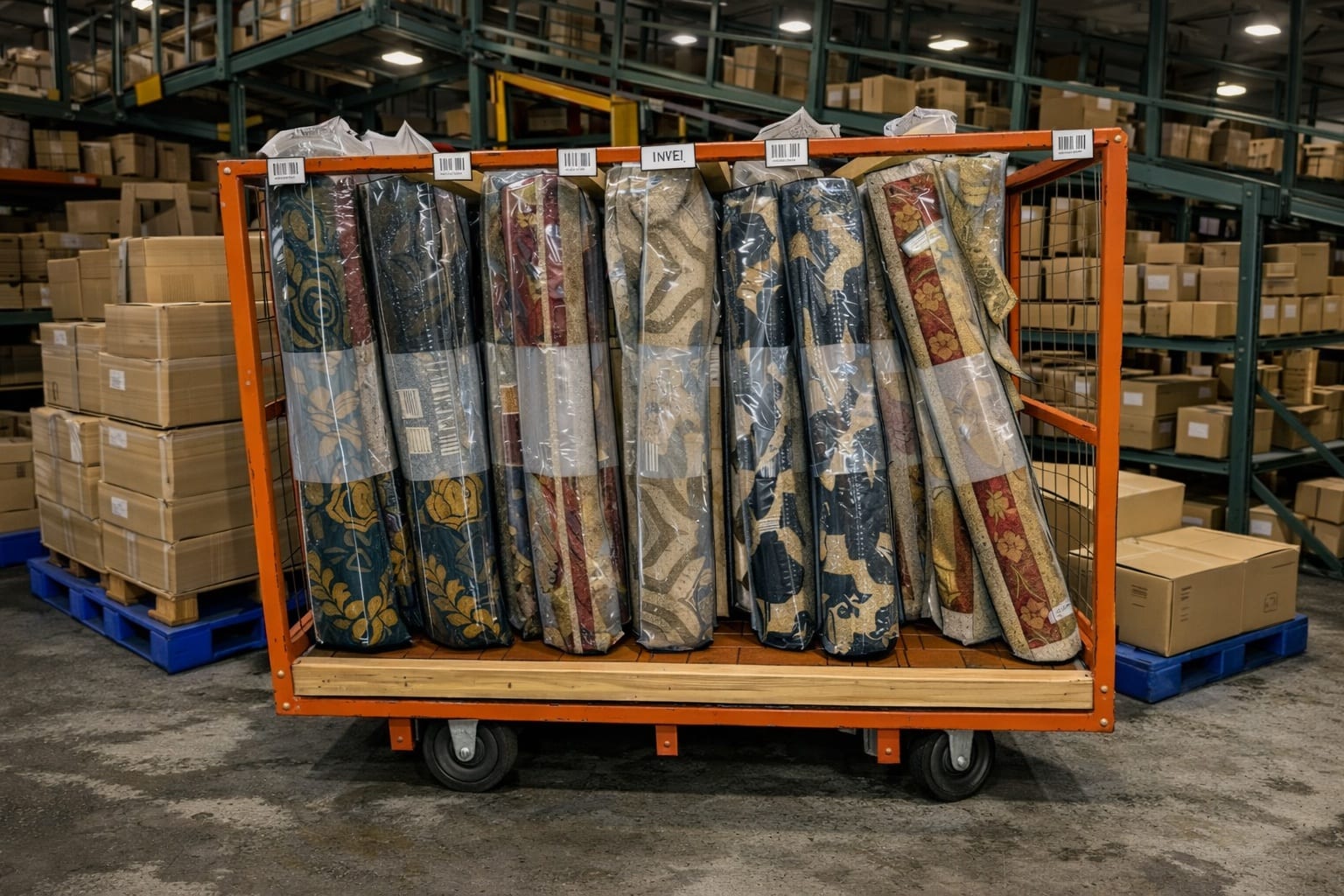
Oversized merchandise was loaded horizontally onto carts, damaging racks and products during transport across the distribution center. Because loads extended beyond the cart width, two-lane dock traffic was reduced to one lane, creating congestion and lowering efficiency.
Adding simple wooden planks to the exterior sides of the existing carts.
Merchandise is now transported vertically, restoring traffic flow and eliminating damage with zero capital investment.
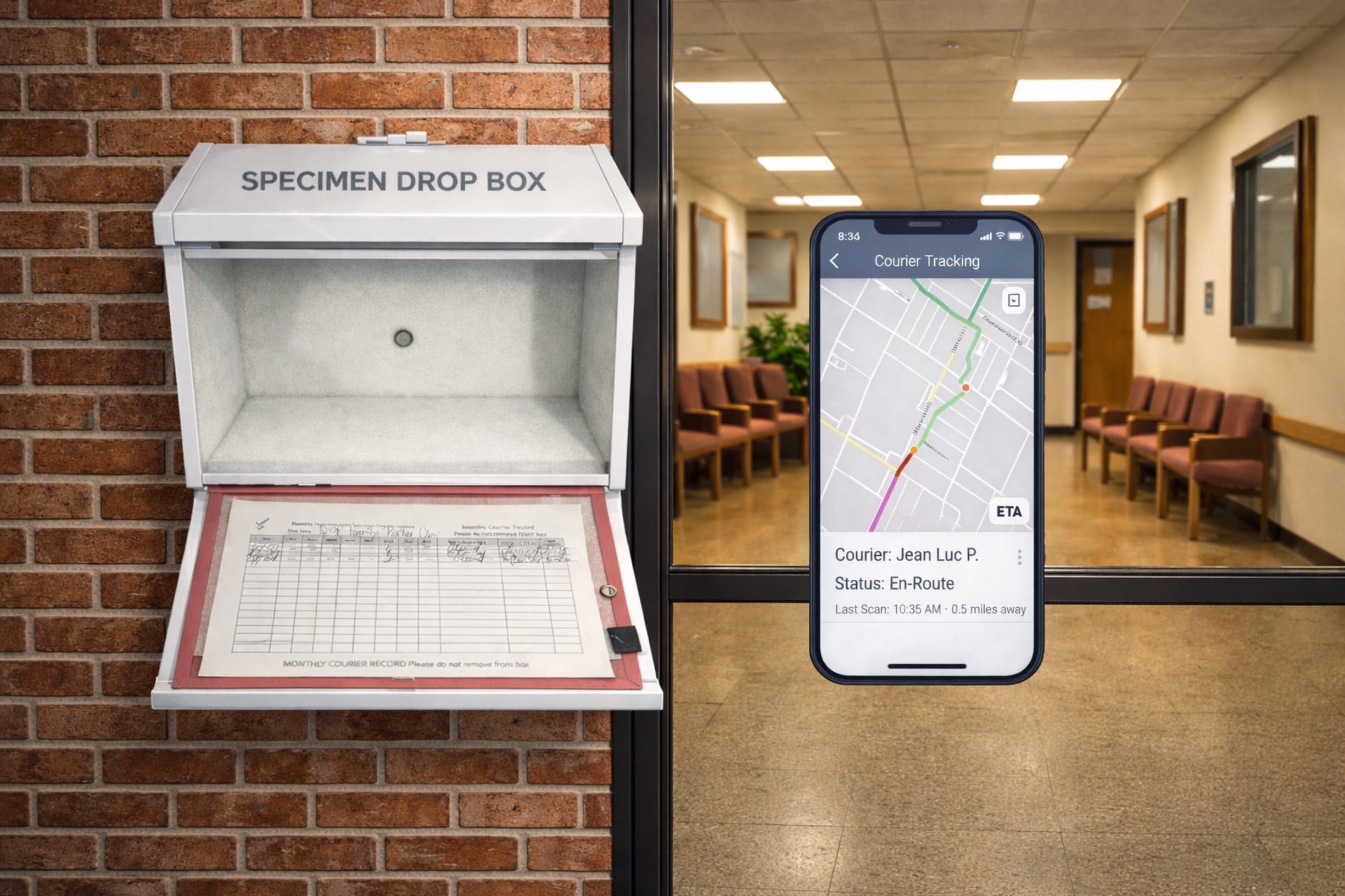
Clinic staff couldn't tell if specimens had been picked up, leading to redundant phone calls and investigations. Although GPS and tracking data existed, it wasn’t visible to the staff using the drop box.
Integrated a simple specimen pick up sheet into specimen boxes.
96% reduction in customer service calls within the first week and a near-total elimination of post-pickup investigations.
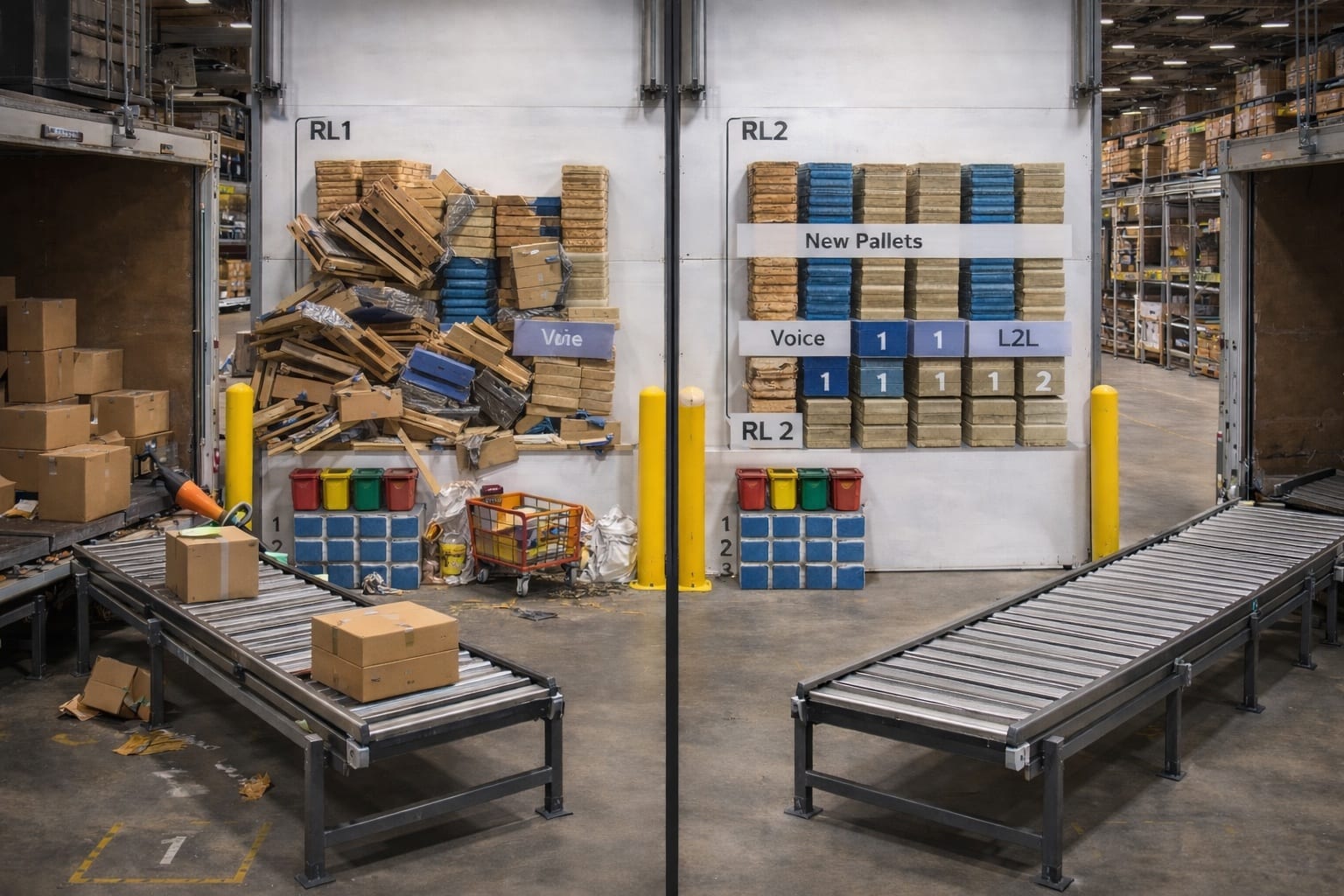
Lack of a standardized layout led to clutter, safety hazards, and lost productivity across different shifts in a distribution facility’s loading dock.
Applied 5S principles to standardize the dock. Materials, pallets, and tools were assigned clear locations and visual cues to eliminate wasted motion and improve safety.
Standardized workflows for a 24/7 operation, improved safety, and reduced "freight touches" which improved team morale and efficiency.
The following case studies demonstrate how the same improvement principles scale to more complex, multi-layered challenges. They reflect deeper engagements across multiple parts of an operation.

Hurricane Ida threatened to disrupt medical specimen transportation operations across multiple states for a clinical laboratory. The hurricane left the laboratory without power which risked the stability of medical reagents at the client’s laboratory facility. Medical specimens still required timely pickup, transport, and processing, even as facilities evacuated and routes within the impact zone became unavailable.
As conditions evolved, the logistics network was re-mapped and reconfigured in real time to support evacuations to secure facilities. Specimens were diverted and rerouted across multiple states to regions outside the impact zone, allowing operations to continue without interruption during the recovery of capabilities at the down facility.



During a national menu change, Chick-fil-A needed to remove and responsibly recycle a specific piece of equipment from 1,200+ restaurants nationwide — all within a three-week window, without disrupting daily operations.
Logismith planned and executed a high-velocity reverse logistics program, coordinating equipment removal, transport, and recycling across all locations in just 21 days.

As our client grew from one clinic to a multi-state footprint, we evolved their logistics from a simple point-to-point flow into a synchronized network. The addition of a second laboratory required balancing capacity and timing across processing locations separated by 6 hours.
The logistics network was redesigned to support expansion while preserving day-to-day operations. This included restructuring clinic-to-lab routes, adjusting schedules and handoffs, and integrating the second laboratory into the existing network. Facility layouts and material-handling processes were also updated to support higher volumes and reduce operational risk.



